

Developer experience (DevEx) isn't just about perks in the office. It’s about the daily friction — or lack thereof — that engineers feel while trying to ship code. Learning how to improve the developer experience starts with identifying where engineering signals get lost in the noise.
The development landscape is only growing. Software development statistics reveal that the global custom development market is expected to reach over $146 billion by 2030. With such rapid growth, it’s important to make sure your organization is thinking ahead.
Improving developer experience can make or break retention. There are many ways to improve developer experience, so we’ve covered 13 proven strategies to get you started.
What is developer experience?
Developer experience is exactly what it sounds like; it’s how developers feel about their role, how prepared they are, and how they interact with your organization’s processes and tools.
Developer experience strategy is a holistic approach to efficiency. If developers are satisfied with their work, motivated to succeed, and prepared with all the resources they need, then they can deliver better results.
What is a “golden path” and how do I use it?
Golden paths are predetermined processes developers can follow to complete specific tasks.
For example, if there’s a golden path for your developers to follow when deploying a new microservice, they don’t need to think about how to approach the task. The resources they need and steps to take will already be laid out, so they can focus on the task at hand.
Golden paths reduce developers' cognitive load and ensure more consistent results by aligning the entire team on processes before they begin any project.
1. Choose tools that support better DevEx
Why it works: Integrated tools reduce context switching and allow data to flow naturally across the DevOps stack.
Potential trade-offs: Standardizing on specific tools may limit the niche preferences of individual teams.
Better DevEx starts with better tools. Even the most skilled developer wouldn’t get much done working with a 20-year-old computer. Outdated tools can create similar problems.
The right tech stack, like dedicated developer experience tools, ensures your team has the resources they need to do their best work.
2. Remove productivity barriers
Why it works: Identifying and clearing bottlenecks directly improves delivery speed and team morale.
Potential trade-offs: Removing a barrier might require temporary downtime or a shift in current sprint priorities.
Software development requires careful attention and focus to produce effective, bug-free code. But if developers are jumping into unnecessary meetings or constantly pulled away from a project to address urgent, unplanned issues, they won’t have the space to engage in deep work.
Conduct workflow diagnostics to identify silent blockers, giving engineers more time in their day to complete their work and deliver projects smoothly.

3. Cultivate positive company culture
Why it works: A supportive environment ensures data is used for growth and improvement rather than punishment.
Potential trade-offs: Building culture is a long-term investment that doesn't provide the quick fix some stakeholders desire.
A healthy product lifecycle starts with a healthy working environment. Rethink how your organization handles high-stress conversations like performance and project reviews to create a positive company culture.
If your team is working in fear, they might underreport hours spent on a project.
If developers know there’s no reason to fear a metrics-fueled conversation, you’ll be able to hold honest conversations and motivate your team to make positive changes in their own processes.
4. Measure work holistically
Why it works: Looking at the big picture helps you understand how teams deliver, not just what they deliver.
Potential trade-offs: Holistic measurement requires more sophisticated SEI platforms than simple ticket counters.
Focus on developer productivity metrics that reflect team health and system stability. Avoid using personal metrics for individual contributors, as this can lead to gaming the system.
Effective measurement uses both DORA and SPACE metrics to provide a playbook for sustainable growth. These metrics are a good place to start measuring DevEx:
DORA metrics | SPACE metrics |
|---|---|
|
|
5. Gather feedback from developers
Why it works: Internal champions are the best source of truth for where the system is breaking.
Potential trade-offs: Prepare to act on the feedback or risk creating survey fatigue.
Check in regularly with development teams and managers to gather feedback on company culture, processes, and tools.
You’ll get the best information from teams on the front lines of development so you can make data-informed and high-impact changes.
6. Cut unnecessary tests and roadblocks
Why it works: Streamlining the path to production reduces Lead Time for Changes and keeps developers in a flow state.
Potential trade-offs: Cutting too many safeguards can lead to quality issues or zero-day vulnerabilities.
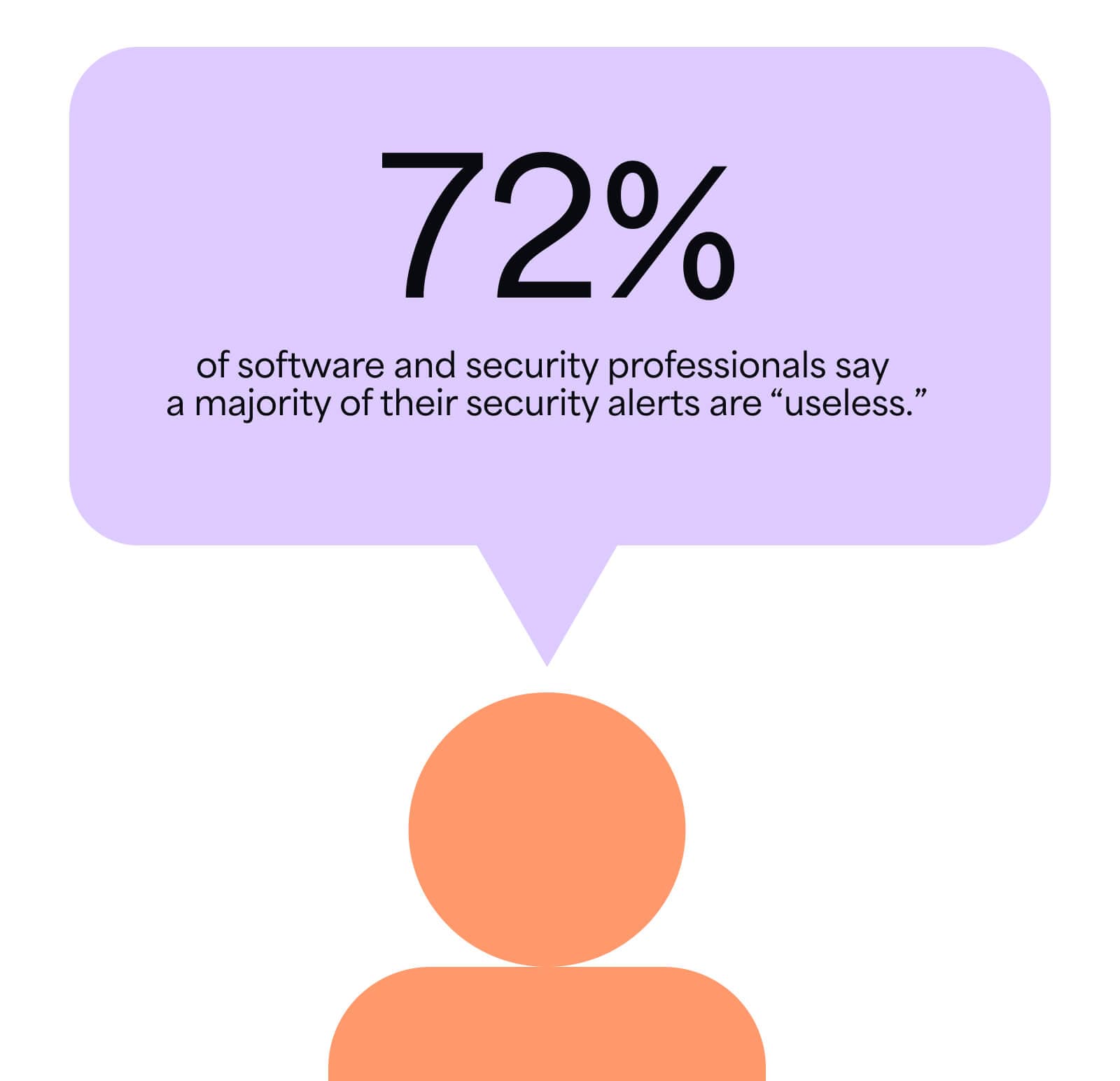
Bloated CI/CD pipelines can clog up inboxes and delay delivery without adding value to your final product. In fact, DevOps statistics reveal that 72% of software and security professionals call a majority of their security alerts “useless.”
Review testing and QA processes to ensure each step serves a purpose. You should also consider automating tests, freeing up your team’s time to focus on writing new code.
7. Use templates whenever possible
Why it works: Templates reduce cognitive load and ensure consistency across multi-team organizations.
Potential trade-offs: Over-templating can stifle innovation if teams feel they cannot deviate when necessary.
For large teams or organizations with complex delivery processes, templates and golden paths create visibility and consistency.
They keep development teams aligned on what success looks like and reduce the cognitive load in project planning.
8. Schedule regular code maintenance
Why it works: Addressing technical debt prevents long-term bottlenecks and keeps the codebase manageable.
Potential trade-offs: This requires carving out time from feature development, which can be a hard sell to business stakeholders.
Code maintenance keeps your products operational as you deploy new code.
If maintenance is baked into your team’s processes, it becomes less of a chore and helps ensure libraries stay updated. This ensures code continues to work as it should, so teams aren’t pulled away for code emergencies as often.
9. Host solution-oriented post-mortems
Why it works: Blame-free reviews focus on system improvements rather than individual mistakes.
Potential trade-offs: These sessions require careful planning in stressful situations or after major mistakes.
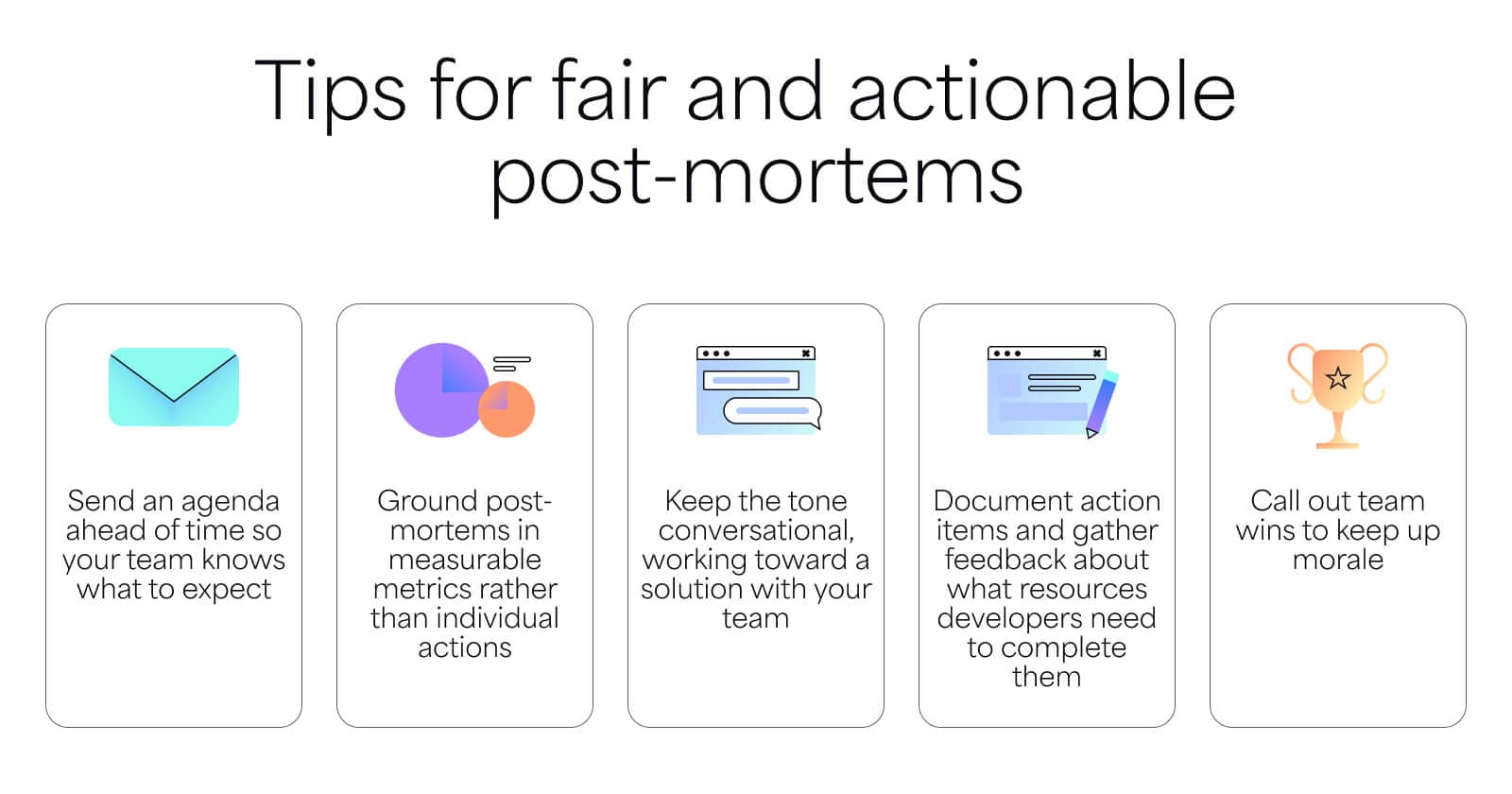
Post-mortems are essential to finding pathways for improvement. However, if they occur after a security incident or a failed deployment, it’s important not to point blame during these meetings.
Instead, focus on how teams can avoid or spot issues more effectively, so they take away actionable insights rather than feeling like they’re being punished.
10. Invest in development teams
Why it works: Providing resources for growth and better tooling shows developers that their experience is a priority.
Potential trade-offs: This requires a dedicated budget and leadership team commitment.
Better DevEx doesn’t happen overnight — it requires time and resources. But with improved morale and better tools for your team, you’ll see a return on that investment.
Consider options like increasing the budget for better CI/CD tooling or dedicated innovation sprints that support developers so they can show up and be ready to give their best effort each day.
11. Prioritize documentation
Why it works: Good documentation allows developers to find answers independently, reducing disruptions.
Potential trade-offs: Documentation needs constant updates, or it becomes a stale library of misinformation.
Many teams are tempted to skip documentation to speed up their work, but this only creates worse delays later when teams struggle to find the information they need for maintenance or bug fixes.
Clearly define documentation processes and expectations. You can also invest in AI software development tools that will generate documentation for the team. It’s just important to find a process developers can use consistently so key information isn’t lost.
12. Use consistent project structures
Why it works: Consistency makes it easier for engineers to move between teams without a steep learning curve.
Potential trade-offs: It may take time to migrate older projects into a new, consistent format.
Consistency reduces confusion. Avoid changing project structures unless it’s absolutely necessary, so your developers know what to expect when they get to work each day.
Consistent project structures also create more reliable data, making it easier to track progress and spot roadblocks.
13. Remove data silos
Why it works: Connecting data across DevOps tools provides a single source of truth for engineering leaders.
Potential trade-offs: Breaking down data silos can be challenging in organizations with many different flows.
Data silos are where productivity goes to die. Without effective collaboration between departments, you could have multiple teams duplicating work or missing valuable context that could boost their delivery rates.
DevOps professionals help teams and departments stay connected, keeping your organization always in sync and working efficiently.
Craft a better developer experience with Appfire Flow
Improving DevEx is a continuous journey that requires the right visibility into your engineering KPIs. By following these tips on how to improve the developer experience, you can build a more effective engineering culture.
The best way to turn these insights into action is to give your leaders the data they need to unblock their teams.
Try Appfire Flow