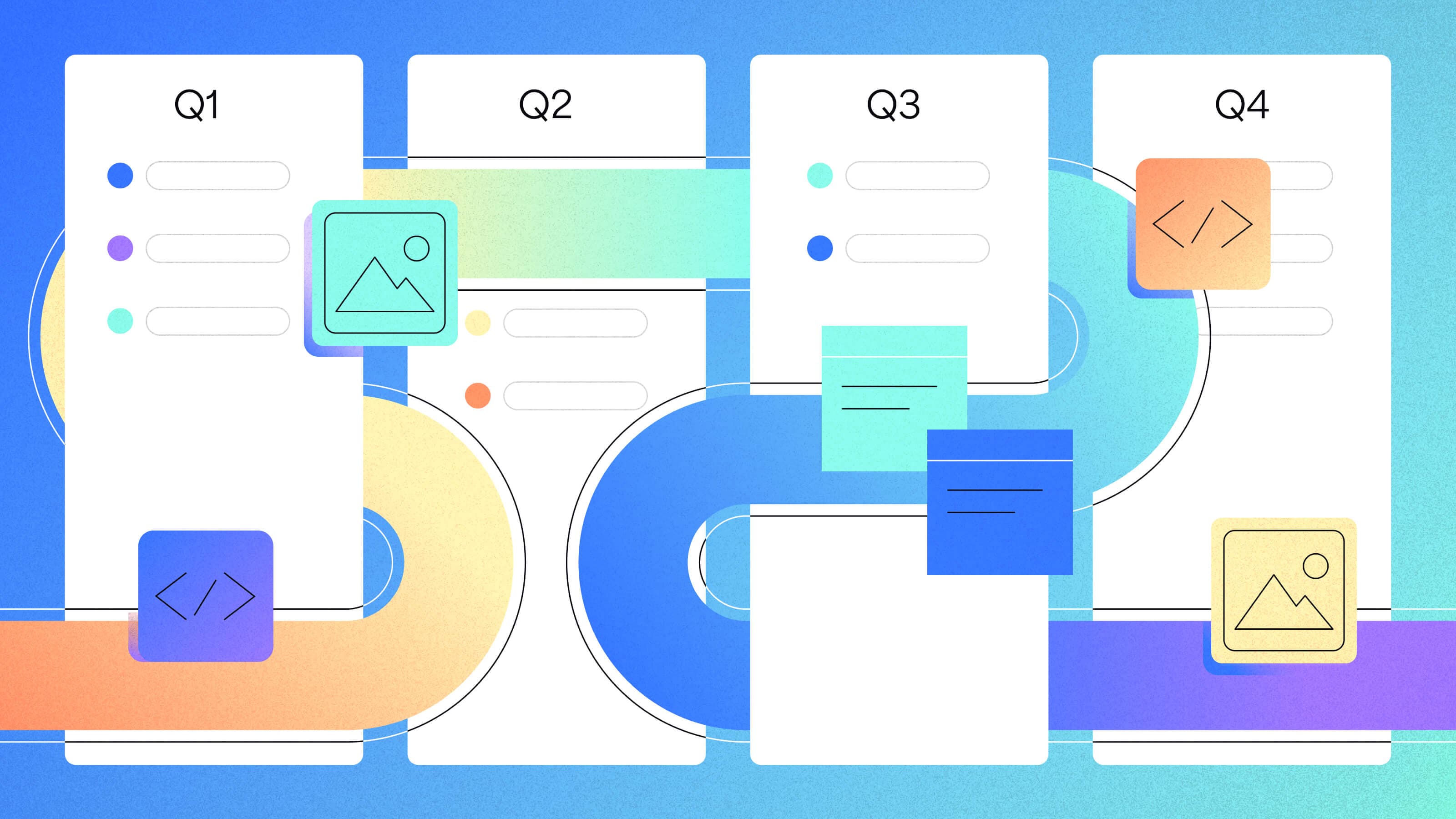

Roadmaps feel clear during planning, but they rarely survive first contact with real work. Jira is where teams deliver, yet many roadmaps live elsewhere. Here’s how to keep roadmaps aligned as plans change.
TL;DR
- Roadmaps lose value when they drift away from Jira
- Jira supports execution well, but roadmaps need a planning layer to stay useful as work changes
- A roadmap earns trust when it reflects change instead of hiding it
- Flexible formats and frequent updates keep roadmaps relevant
- BigPicture adds the planning layer Jira needs for roadmaps teams can trust
Product roadmaps break when they are not connected to Jira
Jira makes execution visible. Tasks move, status updates reflect real progress, and teams can see what is happening as work unfolds day to day.
Product roadmaps usually begin with good intentions. Teams align around priorities, outline what they want to build, and sketch out when work is expected to happen. The sequence makes sense, the scope feels reasonable, and stakeholders leave planning sessions feeling confident.
Once delivery starts, those assumptions are tested quickly. A dependency appears that no one anticipated. A customer request reshapes priorities. A technical constraint changes the order of work. One stream moves slower than expected, and the timeline created during planning no longer reflects how the work is actually progressing.
If you have ever updated a “final” roadmap multiple times in a single week, you have seen this pattern. The plan was not wrong. It simply could not keep pace with what the team was learning during delivery.
This gap forms when the roadmap lives outside the system where work changes day to day. Jira reflects the current state of execution, while the roadmap often reflects an earlier understanding of how the work was expected to unfold. Without a way to keep those two views connected, they diverge quickly.
As that gap widens, the roadmap becomes harder to use:
- Sprint work no longer lines up with roadmap milestones
- Priorities shift faster than roadmap updates
- Teams struggle to explain why something moved
- Stakeholders stop relying on the roadmap to understand what comes next
A product roadmap works best when it stays close to delivery. When it drifts away from Jira and cannot evolve as the work changes, it loses its ability to guide decisions and keep teams aligned.
Why product teams stop trusting their roadmaps
Roadmaps are meant to provide direction. They help teams understand what matters, what is likely to happen next, and how different pieces of the product fit together. When a roadmap stays aligned with delivery, it becomes a shared reference for decisions.
Trust starts to erode when the roadmap no longer keeps pace with what teams are learning.
This usually does not happen because the strategy was wrong. It happens because the roadmap was built on assumptions that changed once work began. As development progresses, new information appears. Dependencies shift. Priorities change. When the roadmap does not reflect those changes, it starts to feel disconnected from the work teams see every day.
Several patterns tend to appear when this happens:
- Treating early plans as fixed instead of flexible
- Confusing the roadmap with the backlog
- Keeping the roadmap in a document that rarely gets updated
- Reviewing the roadmap too infrequently
- Building the roadmap outside the system where work happens
Once teams notice this drift, their behavior changes. Engineers stop checking the roadmap because it no longer reflects reality. Product managers hesitate to share it because they expect questions they cannot easily answer. Stakeholders begin to question whether the plan is still reliable when it does not match what Jira shows.
Roadmap expectations vs. roadmap reality
What teams expect | What many roadmaps deliver |
|---|---|
Clear direction | A static snapshot |
Visibility into priorities | An outdated plan |
A shared view of progress | A version no one updates |
Context behind decisions | Confusion about why things moved |
A roadmap is not a contract and it is not a backlog. It is a communication tool. It earns trust when it shows direction while leaving room for change. When it cannot evolve alongside delivery, even a well-intentioned roadmap becomes harder to rely on over time.
Trust returns when the roadmap reflects reality instead of falling behind it.
The difference between Jira execution and product roadmaps
Jira is trusted because it reflects what is actually happening during delivery. Tasks move as work progresses. Status updates change as decisions are made. For day-to-day execution, Jira often provides the most accurate picture of reality.
Product roadmaps serve a different purpose. They are not meant to track every task or update in real time. They help teams understand direction, intent, and how work fits together over a longer horizon. A roadmap explains where the product is heading and how priorities are expected to evolve as the team learns more.
Problems arise when these two views drift apart.
When Jira shows one sequence of work and the roadmap shows another, teams begin to question which view to rely on. The issue is not that either view is incorrect. The issue is that they are doing different jobs and are no longer connected in a way that allows them to inform each other.
What each view is responsible for
Roadmaps represent | Jira represents |
Direction and intent | Tasks and execution |
Themes and outcomes | Individual work items |
Flexible sequencing | Real-time progress |
Context behind decisions | What is happening now |
A strong product workflow depends on both. Jira provides a clear view of execution as it unfolds. The roadmap provides context about why that work matters and what is expected to come next. When these layers stay connected, teams can explain change more easily, adjust plans with confidence, and keep stakeholders aligned as delivery evolves.
When they are disconnected, teams are left reconciling two versions of the truth instead of using them together to guide decisions.
What a product roadmap needs to stay trusted over time
A roadmap earns trust when it stays useful after planning ends. That trust comes from how well it reflects change as teams learn, priorities shift, and delivery realities emerge.
Teams and stakeholders rely on roadmaps to make decisions. When a roadmap keeps pace with delivery, it becomes a shared reference point. When it falls behind, it quickly turns into a document people question or ignore.
Roadmaps that hold up over time tend to share a few characteristics:
- Stay connected to Jira
- When roadmap items remain linked to real work, updates reflect what is actually happening instead of what was expected to happen weeks earlier.
- Make uncertainty visible
- Ranges, buckets, and flexible timeframes help set expectations. When change is visible by design, shifts feel planned instead of disruptive.
- Update frequently
- A roadmap that reflects new information stays relevant. Small, regular updates prevent the larger trust gaps that appear when changes pile up.
- Explain why things moved
- Context matters as much as timing. Teams trust roadmaps more when they understand what changed and what prompted the change.
- Act as a communication tool, not a commitment document
- Roadmaps work best when they guide conversation about direction and tradeoffs, rather than locking teams into decisions before enough is known.
When these elements are present, the roadmap remains a living reference instead of a static artifact. Teams keep using it because it helps them understand direction without pretending the plan is fixed.
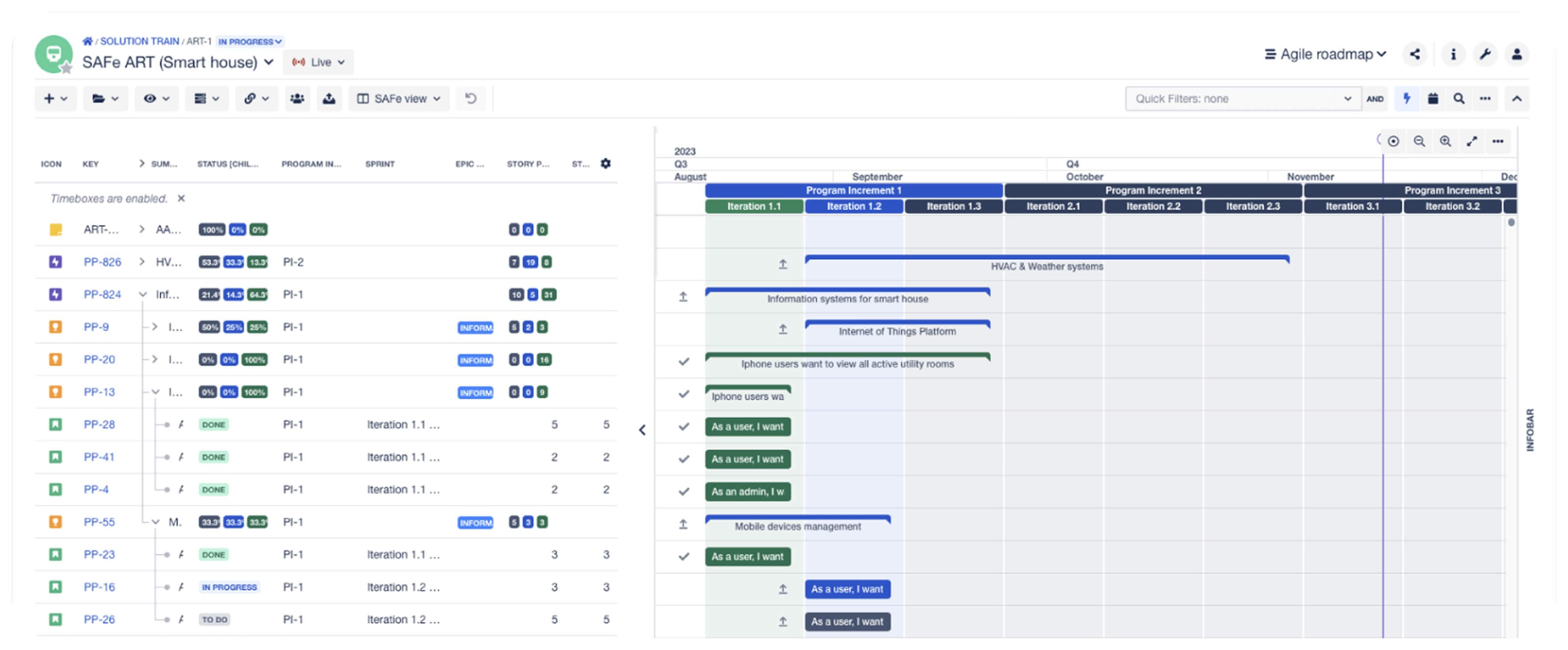
How to create a product roadmap in Jira that stays aligned with delivery
Most roadmaps fall apart because they are built to stay fixed while the work keeps changing. Jira reflects change as it happens, which is why a roadmap needs to stay close to it. A roadmap that lives in a slide deck or a disconnected planning tool becomes outdated quickly. A roadmap connected to Jira has a much better chance of evolving alongside delivery.
Creating a product roadmap in Jira does not require predicting every detail upfront. It requires accepting that plans will change and putting structure in place so those changes are visible and understandable.
1. Start with outcomes, not tasks
Roadmaps work best when they express intent rather than implementation detail. Before deciding where items sit on a timeline, clarify what outcomes matter most.
Focusing on outcomes keeps the roadmap oriented around direction and value instead of turning it into a long list of features or Jira issues.
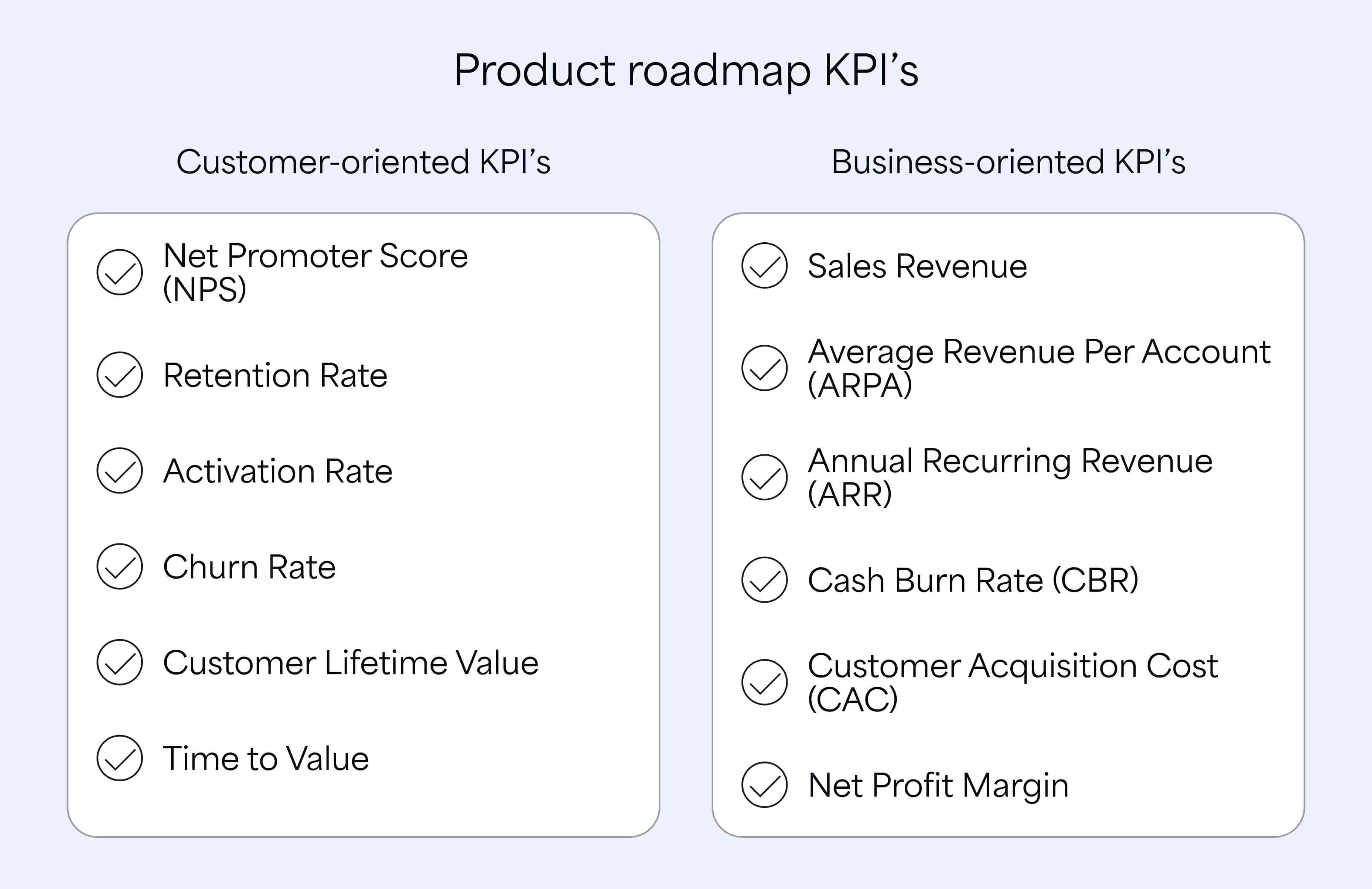
2. Choose a format that fits your level of certainty
Different levels of clarity call for different roadmap formats.
- A simple timeline works well for high-level sequencing
- A now–next–later view supports agile roadmap planning
- A theme-based layout helps when scope and timing are still uncertain
The format should reflect how confident the team is about timing and order, not force certainty that does not exist yet.
![Illustrative image of quarter-based product roadmap showing their connection and flow of work.]](/_next/image?url=https%3A%2F%2Fappfire-production.nyc3.cdn.digitaloceanspaces.com%2F46f50a7798d05c84eb25c8e36d723771.jpg&w=3840&q=75)
3. Connect roadmap items to Jira issues without copying the backlog
A roadmap should not repeat your backlog. Instead, roadmap items should connect to the Jira work that supports them.
This connection helps the roadmap stay aligned with delivery while keeping the view readable. Teams can see how work maps to outcomes without crowding the roadmap with task-level detail.
4. Make uncertainty visible
Change feels disruptive when it looks like a surprise. It feels expected when uncertainty is visible from the start.
Using ranges, buckets, or flexible timeframes helps teams and stakeholders understand where plans may shift. This makes roadmap updates easier to explain and reduces frustration when priorities move.
5. Review the roadmap frequently and show what changed
A roadmap only stays useful if it reflects new information. Reviewing it regularly and calling out what moved and why keeps everyone aligned.
Small, frequent updates prevent the larger trust gaps that appear when changes pile up unnoticed.
6. Use the roadmap as a communication tool, not a commitment document
Roadmaps are meant to support conversation. They help teams discuss direction, tradeoffs, and sequencing without locking decisions too early.
When teams treat the roadmap as a guide instead of a promise, it remains useful throughout delivery instead of becoming something people avoid sharing.
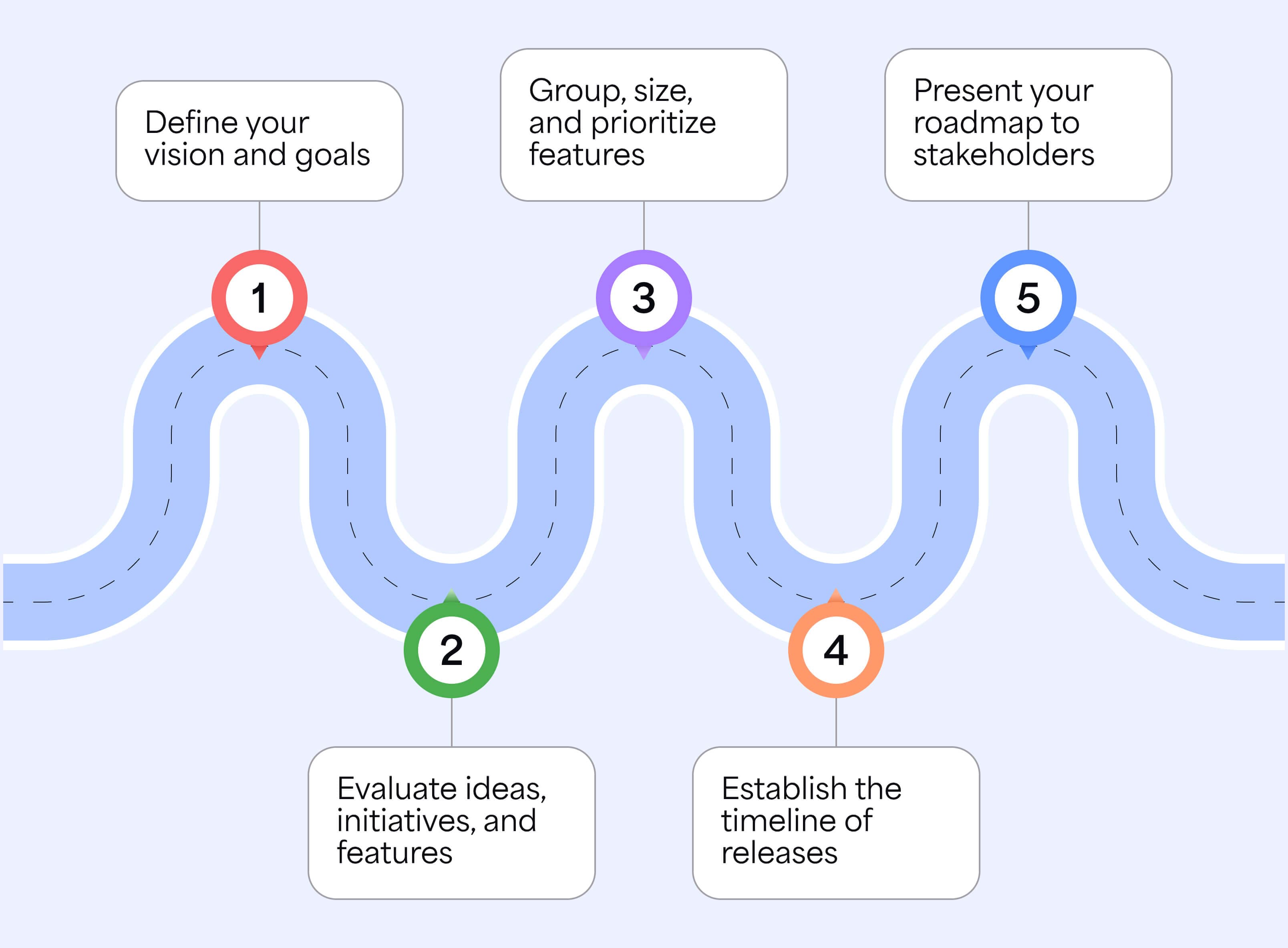
How product roadmaps become harder to manage as teams scale
Product roadmaps usually start simple. One team owns the work. Priorities are clear. The roadmap shows what is coming next, and keeping it up to date feels manageable.
That changes as more teams contribute to the same product.
A single initiative expands into several workstreams. One Jira project becomes multiple projects. Dependencies form between teams that plan and deliver at different speeds. What once felt like straightforward planning becomes ongoing coordination.
How a roadmap quietly becomes a coordination tool
- One team cannot start until another finishes
- Work for the same initiative lives across multiple Jira projects
- Priorities begin competing across teams
- Timelines shift in one area and affect another
- Updates require checking several boards instead of one
At this stage, the roadmap is no longer just a planning artifact. Teams use it to understand how their work fits with everyone else’s and to anticipate where coordination is needed.
Jira continues to capture execution clearly at the issue level. Each team can see its own progress and update work as it moves. The challenge is that roadmap conversations now sit above any single board. Understanding progress depends on seeing how multiple streams of work align over time.
This is the point where product managers realize they are no longer managing a single plan. They are managing how work fits together across teams, timelines, and dependencies. The roadmap has to support that coordination, or it becomes harder to explain how the product is actually moving forward.
Why Jira alone is not enough for multi-team product roadmapping
Jira excels at capturing execution as it happens. Issues move, statuses update, and teams can see progress in real time. For day-to-day delivery, this makes Jira one of the most reliable sources of truth.
Product roadmapping across multiple teams introduces a different set of needs.
As soon as a roadmap needs to account for shared initiatives, coordinated releases, or dependencies that span teams, the conversation moves beyond individual issues. Product managers need to understand how streams of work relate to one another, how timing overlaps, and how changes in one area affect the rest of the plan.
Jira continues to show what each team is doing. What it does not provide by default is a single view that brings those efforts together at the roadmap level. This is not a gap in execution tracking. It is a difference in scope.
Roadmaps operate at a slower, more strategic rhythm than Jira issues. They need room to show intent, sequencing, and uncertainty across teams. Without a way to connect those views to live work, teams often manage roadmap conversations in documents or tools that sit outside Jira, which recreates the disconnect roadmaps were meant to solve.
This is usually the moment when product teams realize they need more than task-level visibility. They need a way to keep roadmap discussions close to delivery while still seeing how work fits together as scale increases.
How BigPicture adds a product roadmap layer on top of Jira
Jira captures the details of daily work as it happens. Issues move, updates are recorded, and teams can see progress in real time. Product roadmaps, however, need to show more than task movement. They need to show direction, timing, and how plans change as teams learn.
BigPicture adds that planning layer directly on top of Jira.
Instead of managing roadmaps in tools that sit apart from delivery, BigPicture keeps roadmap planning connected to the same issues teams already use. Roadmap items stay linked to Jira work, which makes it easier to keep plans aligned as execution changes.
This connection matters most as products grow. When multiple teams contribute to the same roadmap, product managers need to understand how work fits together across projects, how dependencies affect timing, and where uncertainty still exists. BigPicture provides views that bring those pieces together without asking teams to change how they work day to day.
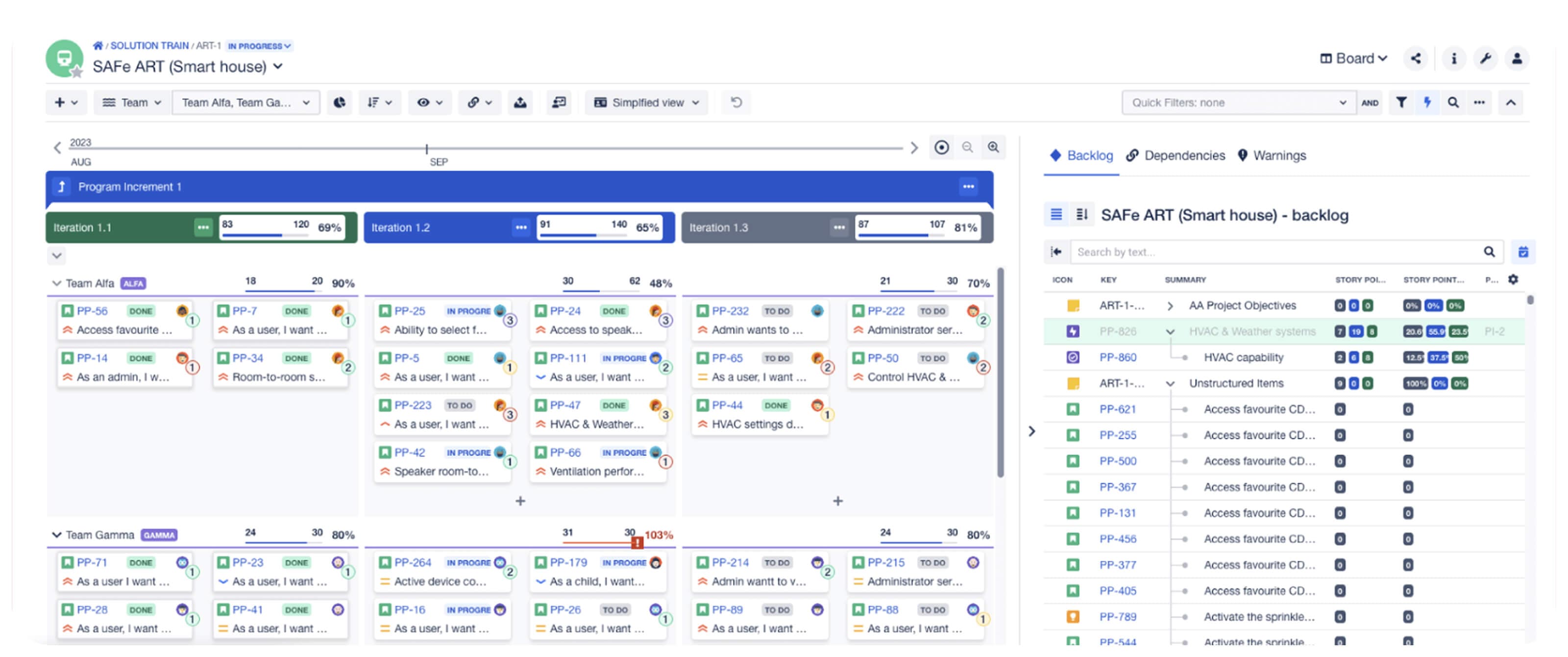
With BigPicture, product managers can:
- See how initiatives and workstreams relate across teams
- Understand timing and dependencies as plans evolve
- Use different roadmap formats to reflect different levels of certainty
- Keep roadmaps connected to Jira execution instead of duplicating effort
Teams continue working in Jira as they always have. Boards, sprints, and issues remain familiar. BigPicture organizes that information into a roadmap view that supports planning conversations and helps teams explain change clearly.
When roadmaps stay connected to delivery, they become easier to trust. Teams can see where plans are flexible, stakeholders can understand why priorities shift, and product managers can guide decisions without maintaining separate sources of truth.
Why product roadmaps only work when teams trust them
A product roadmap can be thoughtfully designed and carefully structured, but it only stays valuable when teams trust that it reflects what is actually happening. That trust depends on whether the roadmap changes as new information appears and delivery realities shift.
Teams rely on roadmaps to understand direction and priorities. Product managers use them to explain decisions and tradeoffs. Stakeholders use them to gauge progress and risk. When the roadmap matches what teams see in Jira, it becomes a shared reference instead of a document people question.
When that connection breaks, trust erodes quickly. Teams stop checking the roadmap because it no longer reflects their work. Product managers hesitate to share it because they expect difficult questions. Stakeholders lose confidence when plans appear disconnected from delivery.
Keeping a roadmap aligned with execution makes those conversations easier. Teams can see where plans are flexible and where they are holding steady. Changes are easier to explain because the reasons behind them are visible. Decisions feel grounded in current information rather than outdated assumptions.
A planning layer that stays connected to Jira allows the roadmap to evolve at the same pace as delivery without pulling teams into separate tools or forcing rigid commitments too early.
When people believe in the roadmap, it does its job. It aligns teams, supports clearer conversations, and helps strategy and execution move forward together.
Try BigPicture for Jira for free