

Internal tools eat time. Flow delivers real engineering insights, without the upkeep.
It always starts the same way. “Everyone thinks they're just building a dashboard.”
Six months later, you’ve got two engineers basically full-time on data plumbing. The Jira schema changed again. Someone on the exec team wants a new view. And nobody trusts the cycle time chart because it breaks every other week.
It wasn’t supposed to get this messy.
But it always does. Because what starts as a quick internal tool, “just a dashboard”, turns into an invisible backlog: integration bugs, schema mismatches, tool drift, and an endless line of “can you tweak this real quick?”
Meanwhile, the team’s still flying blind. Leadership’s asking “Why is this project blocked?” and all you’ve got is a chart that doesn’t match reality.
DIY dashboards don’t just burn dev time. They erode trust, stall decisions, and quietly cost more than anyone expected.
Let’s dig into why.
What is Flow and what problem does it solve?
If you’ve ever asked: “Why is this project taking so long?” or, “Why does this team seem stuck?”
Flow helps you answer that, without needing to be a data engineer.
It pulls delivery signals straight from your systems (like Jira) and turns them into simple, trustworthy metrics: cycle time, WIP, bottlenecks, and more. No wrangling spreadsheets. No duct-taping dashboards. No building a framework from scratch.
Clean, trustworthy visibility into how work flows and where it stalls.
Build vs. Buy: What teams miss when they DIY analytics
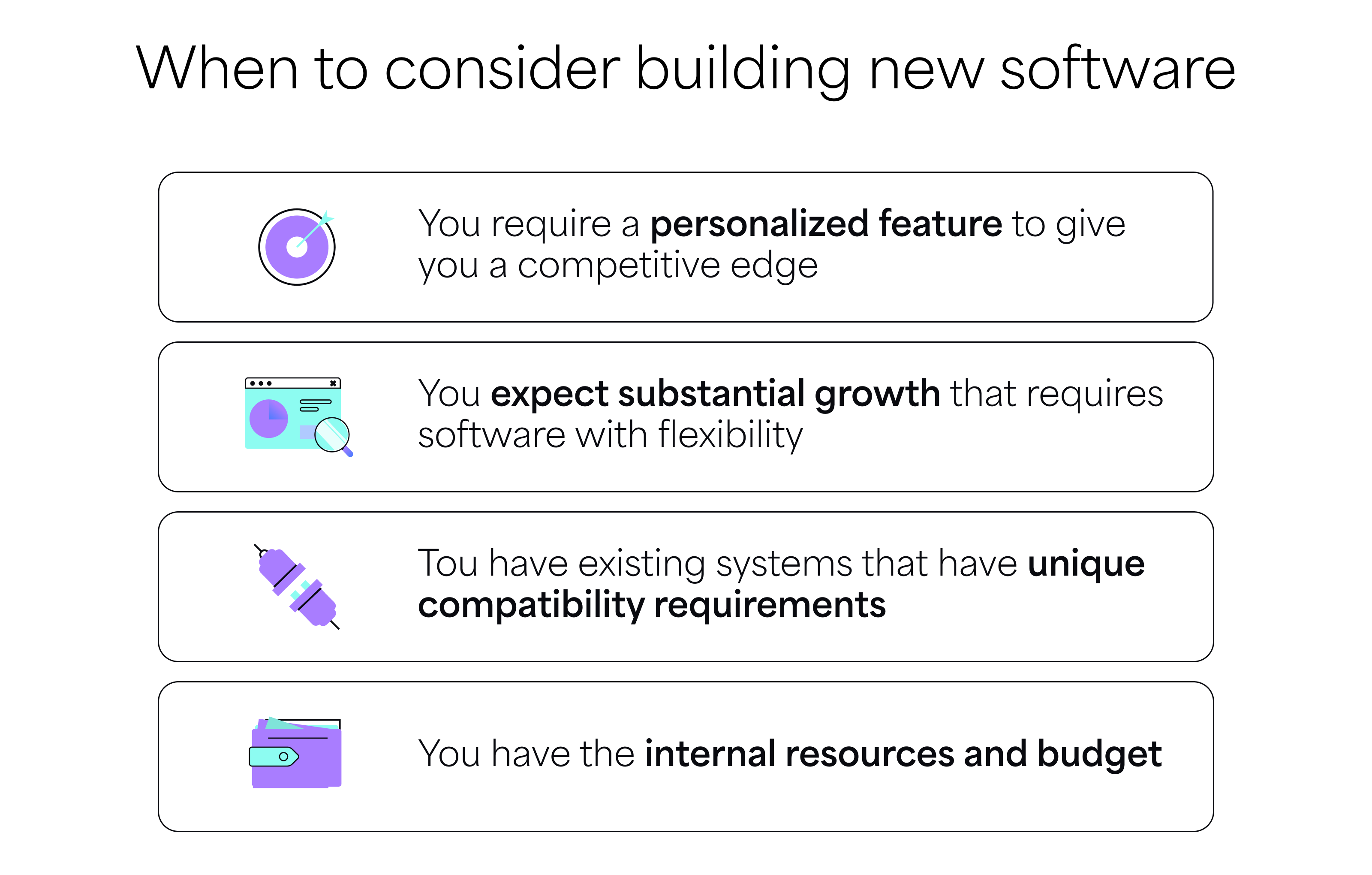
Maintenance creep
Every quarter, someone has to patch it. No one wants to. But if you don’t, it breaks.
Fragmented data
Your dashboards say one thing. Jira says another. The team says “meh.” No one knows what to trust.
No shared language
Cycle time means five different things depending on who built the chart. Good luck aligning on anything.
Feature drift
It worked for one team. Then another needed custom columns. Now it’s a pile of one-offs no one wants to touch.
Visibility gaps
Leadership wants answers. You’ve got charts. They don’t match. So real decisions still happen in meetings, not metrics.
Why buying Flow is better for your devs and the business
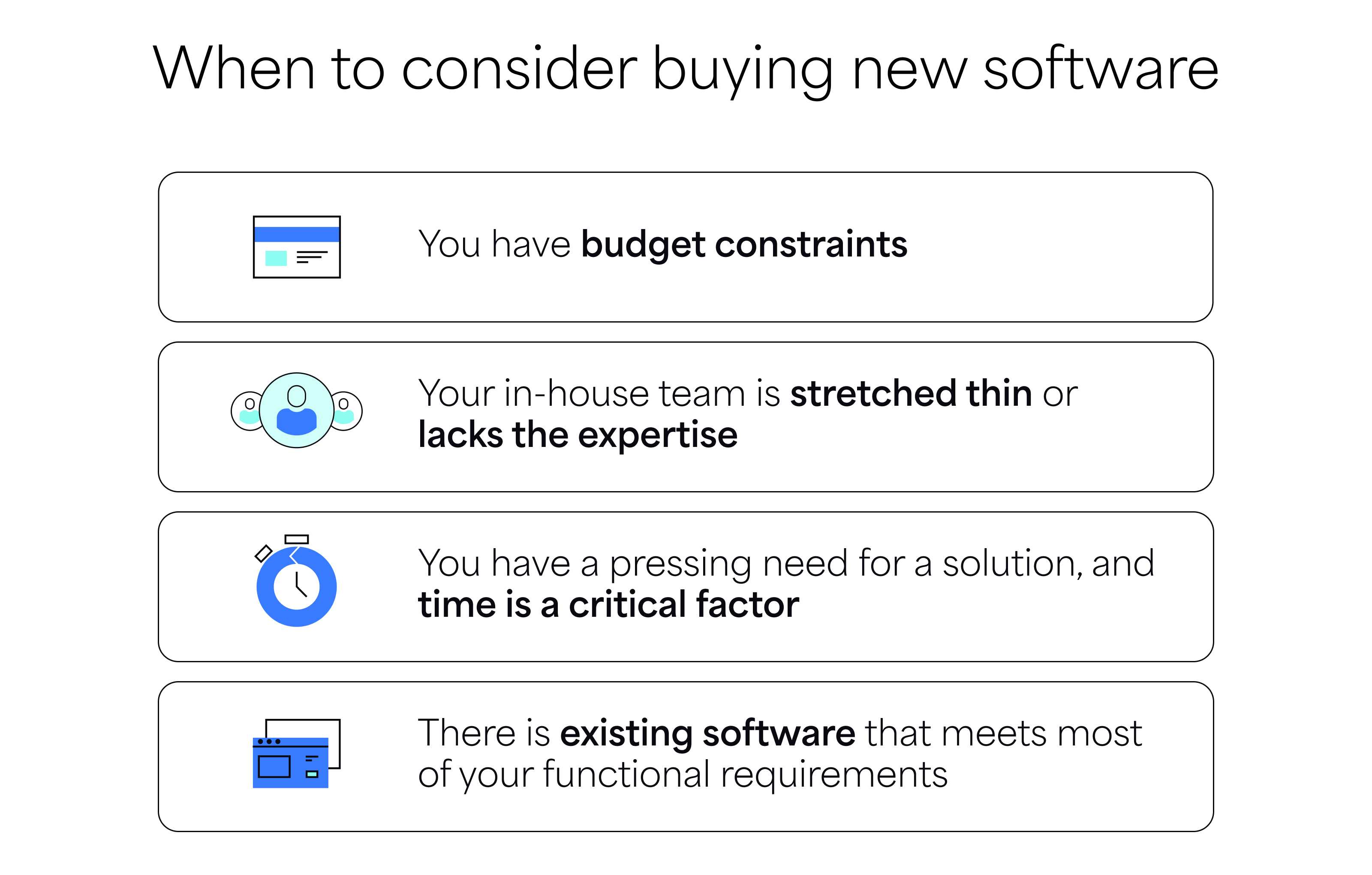
Flow works for modern teams because it gets you to clarity faster, without the detours, patch jobs, or “is this data right?” debates.
And it’s not just about buying a tool. It’s about buying back your engineers’ time.
Less maintenance: No one’s stuck fixing brittle dashboards or chasing down schema changes.
Faster visibility: Answers aren’t locked in someone’s custom SQL. They’re just… there.
Shared understanding: Everyone’s speaking the same language, from ICs to execs.
Trusted insights: What you see in Flow reflects what’s actually happening on the ground.
It’s not flashy. It’s not another platform to learn. It just works, and that’s what your team needs.
What to look for in an engineering analytics solution
If you’ve been burned by internal dashboards before, you know what to watch for:
- If it takes three weeks to integrate with Jira, skip it.
- If ICs need a tutorial to get value, it won’t land.
- If cycle time means something different on every team, good luck aligning.
- If it shows velocity but hides blockers, it’s a vanity metric.
- If you have to maintain it, you’ll end up resenting it.
The right tool should surface what’s slowing teams down and then get out of their way. (See how GenAI is playing a role)
How high-performing teams use Flow for engineering analytics
One team cut cycle time by 40%.
Not because Flow told them what to do but because it showed them exactly where work was stalling. One small workflow change, measurable impact in a week.
Another team caught a silent bottleneck.
Stories were piling up in “Ready for Dev,” but no one noticed until Flow surfaced the growing lag. Turned out it wasn’t process, it was a handoff delay. Easy to miss. Easy to fix, once they saw it.
For one org, Flow became the shared source of truth.
PMs, EMs, and leadership all started using the same metrics in reviews. Fewer custom slide decks. Fewer “wait, where’d this number come from?” moments. Just shared clarity.
Objections to buying engineering analytics tools (and why they don’t hold up)
“We already built something.”
Same. It broke the third time Jira changed. And the one person who could fix it? Left.
“We don’t need it yet.”
You think that, until a VP wants a delivery view next week. And when it’s finally urgent, you’ll wish you had a clean baseline to start from.
“We want custom metrics.”
You think you do, until you’re debugging SQL at midnight to fix a dashboard nobody’s touched in months.
Why developer productivity metrics shouldn’t require building your own dashboards
Every team hits the point where they need engineering metrics they can actually trust.
The question is: do you build another internal tool… or give your team one that’s already built, battle-tested, and ready to go?
Flow frees your engineers to focus on what matters and gives you the visibility to lead with confidence.
See how it works or Talk to someone who’s been there.
Try Flow